Cambridge B1 Writing: Tips to Improve Your Writing
Struggling with Cambridge B1 Writing? Learn how to structure emails, articles and stories, avoid common mistakes and prepare with confidence.

By Fatima · TESOL-qualified English teacher
· 3 min read
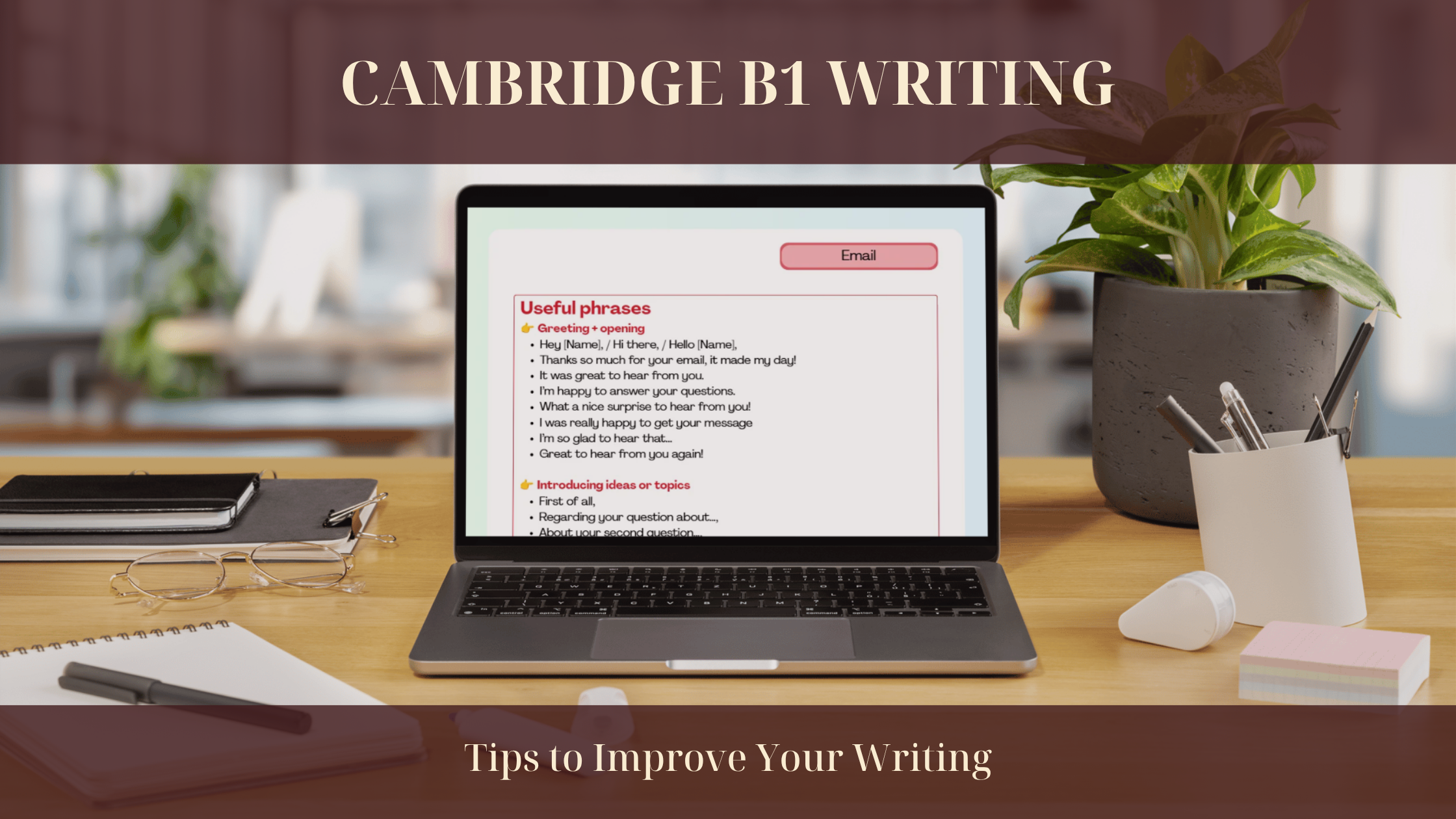
If you are preparing for the Cambridge B1 Preliminary (PET) exam, you have probably spent weeks learning grammar rules, expanding your vocabulary, and doing practice tests until your eyes hurt.
Yet, when you get your practice papers back, your writing grade stubbornly refuses to move. You feel like you are writing clearly, but your score remains trapped.
More often than not, the issue isn't your spelling or basic grammar. It is how you stitch your sentences together.
🔗 The Problem with Linkers: Why Your Sentences Sound Robotic
One of the quickest ways to drop marks in Cambridge Writing is misusing transitional words—known as linkers.
Most self-study students fall into one of two traps:
-
The Overuse of Basics: Chaining every single sentence together with "and," "but," and "because". At B1 level, this sounds repetitive and immature to an examiner.
-
The Mismatch Trap: Panicking and trying to sound like a professor. Dropping formal academic words like "Consequently" or "Furthermore" into a friendly email to a friend will immediately backfire because the register is completely wrong.
📥To help you sort them out properly, you can grab this quick reference guide from our free resources library.
🚨 The Bigger Problem: Writing Without a Strategy
Fixing your linkers is a fantastic first step, but it is only part of the puzzle.
Many students struggle with Cambridge Writing because they treat every task the same way. They do not know how to structure an article, how to open and close an informal email, or how to write a compelling story within the strict word count.
Without a clear framework for each specific part of the exam, it is easy to miss key assessment criteria like Communicative Achievement or Organisation. You end up losing easy points simply because you did not give the examiner what they were looking for.
This is why we put together the Cambridge B1 Writing Guide.
It is a complete, straightforward guide designed to take the stress out of the exam. It walks you through structuring your answers, avoiding common penalised errors, and using the exact vocabulary and layout that Cambridge examiners reward.
👉 Get the Cambridge B1 Writing Guide here and secure your pass.
Frequently asked questions
How many words do I need to write for Cambridge B1 Writing?
For the Cambridge B1 Preliminary exam, Part 1 (Email) and Part 2 (Article or Story) require about 100 words. Staying within the word count is crucial to avoid losing marks for organisation.
Is the Cambridge B1 Writing Guide digital or printable?
The Cambridge B1 Writing Guide is an instant PDF download, meaning you can either print it out to annotate or use it directly on your tablet or laptop while doing self-study practice.
What is the fastest way to practise for the Writing paper if I'm studying alone?
Stop guessing what examiners want and use a proven structure. Working with templates and clear breakdowns for each task type is the fastest way to build confidence. That is exactly why we put together the Cambridge B1 Writing Guide to walk you step-by-step through every task type and with final checklists for self-assessment.
By
Fatima
TESOL-qualified English teacher · ⭐ 5.0 Google (9)
Fatima has been teaching English to adults from all over the world for more than 5 years. She learned English as a foreign language herself, so she knows exactly where learners get stuck — and how to get past it.
More about Fatima →You might also like

Learn English vocabulary from real life
Stop pausing your favourite Netflix series every 30 seconds to write down words you'll never use. Here is how to actually learn real-life English vocabulary while enjoying.
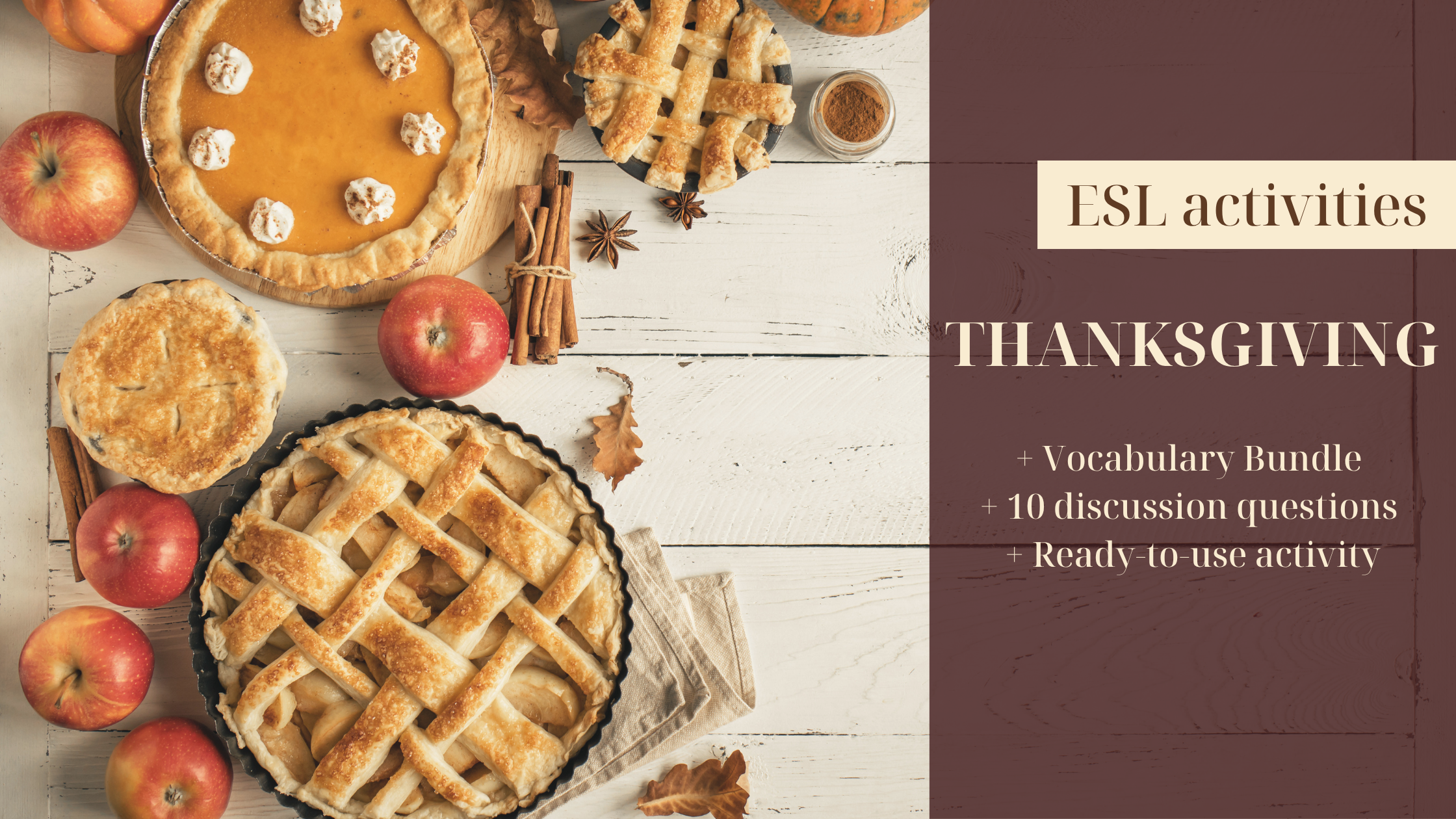
Thanksgiving ESL activities: 10 discussion questions for B1–C1
Need Thanksgiving ESL activities for adults or teens? Explore 10 thought-provoking B1–C1 discussion questions, cultural debates and gratitude prompts for your English class.
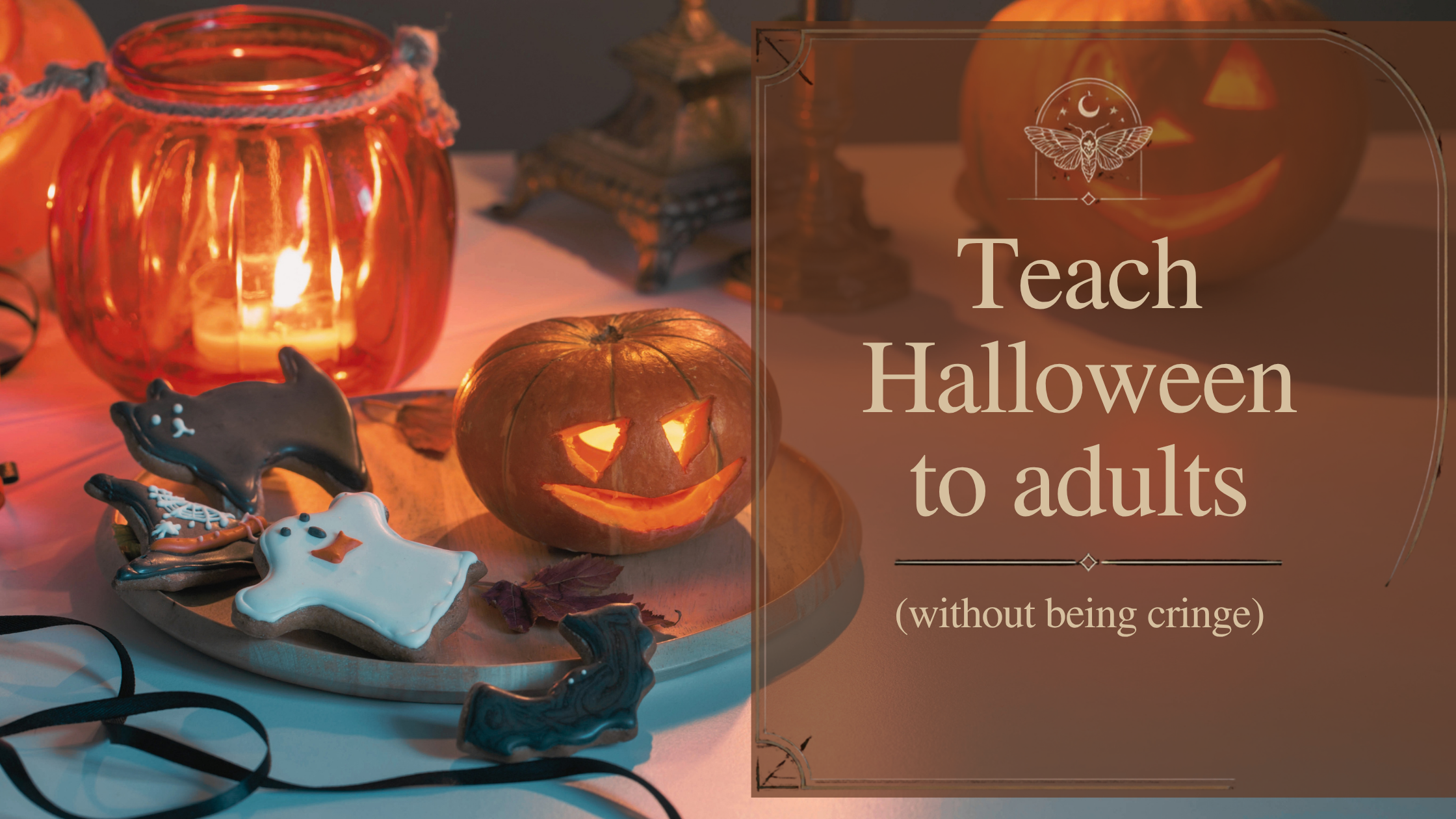
Halloween ESL activities for adults & teens: 3 engaging lesson ideas
How to teach Halloween to older English learners without resorting to childish games.